
 WATERPROOFING
 CONCRETE
 EPOXY PAINT
 ANTI-CORROSION PAINT
 ANTI-STATIC EPOXY PAINT
 STRUCTURAL BONDING
 CHEMICAL ANCHORS
 CONCRETE REPAIR
 REFURBISHMENT
 CEMENT TILE ADHESIVE
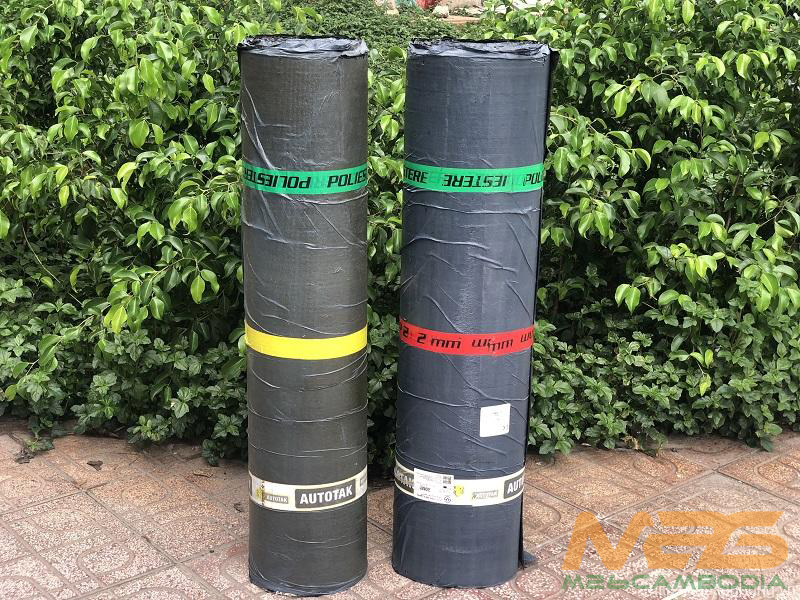
AUTOTAK
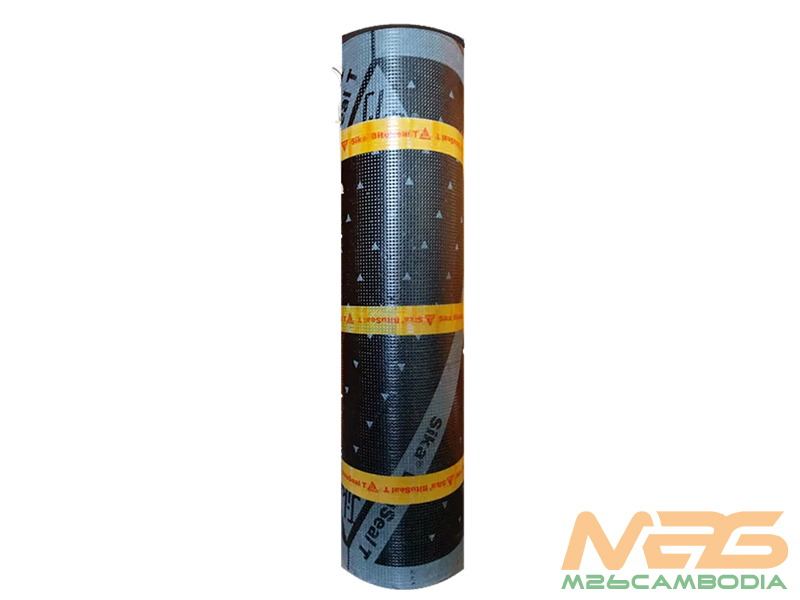
AUTOTAK is a self-adhering waterproofing membrane crafted from distilled bitumen modified with SBS (Styrene-Butadiene-Styrene) polymers.
| BRAND |
|---|
AUTOTAK – Self-Adhering Waterproofing Membrane
Characteristics:
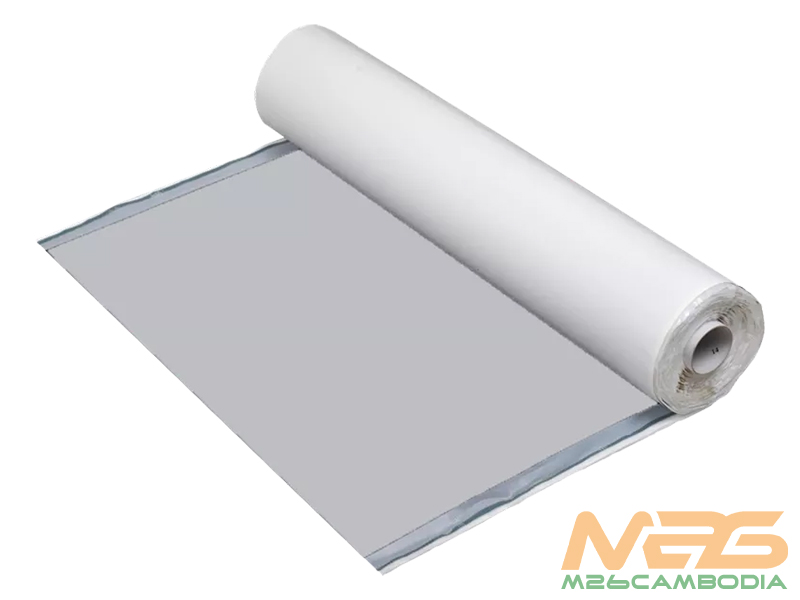
AUTOTAK is a self-adhering waterproofing membrane crafted from distilled bitumen modified with SBS (Styrene-Butadiene-Styrene) polymers. It features an adhesive coating on the lower face, making application simple and safe.
The membrane is designed to adhere in place without the need for a propane gas torch or a hot air machine. Head joints require the use of an approved mastic sealant, and COPERGLUE JOINT bituminous adhesive is recommended.
Carrier:
The carrier is a composite polyester stabilized with longitudinal glass yarns, providing superior dimensional stability, high tensile strength, elongation values, and excellent mechanical properties.
Intended Use:
- Underlay or intermediate layer in multi-layer systems for roof waterproofing (EN 13707)
Available Surface Finishes:
- Upper surface: Sand or plastic HDPE film (upon request) with a 10 cm silicone release side overlap.
- Lower surface: Silicone release film, divided into two parts for easy placement and alignment of the rolls during application.
Use & Application: AUTOTAK is indicated as an underlay or intermediate layer below roof tiles or on pitched roofs where the use of an open flame is not permitted or advisable. It is particularly useful over wooden decks or fire-sensitive insulation layers. AUTOTAK offers a fast and safe application, saving time during the waterproofing process.
General Recommendations:
- Store rolls in sheltered premises away from direct sunlight and/or frost. Pallets must not be double-stacked.
- Apply at ambient temperatures above +5°C.
- Prepare the receiving surface dry, clean from debris, dust, or loose particles, duly primed for maximum bond (use bituminous primer “PRIMER TAK”).
- Mechanical fixations are recommended for applications with a pitch of 15% or more.
- Along perimeters, using a normal elastomeric membrane applied by torch is recommended.
Technical Information:
| Properties | Test Method | Unit | AUTOTAK 1.5 mm | AUTOTAK 2.0 mm | Tolerance |
|---|---|---|---|---|---|
| Length | EN 1848-1 | m | 20 (-1%) | 20 (-1%) | ≥ |
| Width | EN 1848-1 | m | 1.0 (-1%) | 1.0 (-1%) | ≥ |
| Thickness | EN 1849-1 | mm | 1.5 | 2.0 ± 5% | |
| Tensile Strength (at break) L/T | EN 12311-1 | N/5 cm | 400/300 | 400/300 | ±20% |
| Elongation (at break) L/T | EN 12311-1 | % | 35/35 | 35/35 | ±15 |
| Tear Resistance (nail test) L/T | EN 12310-1 | N | 130/130 | 130/130 | ±30% |
| Resistance to Static Loading | EN 12730 (A) | kg | 10 | 10 | ≥ |
| Impact Resistance | EN 12691 | mm | 700 | 700 | ≥ |
| Dimensional Stability | EN 1107-1 | % | ±0.3 | ±0.3 | ≤ |
| Flexibility at Low Temperature | EN 1109 | °C | -15 | -15 | ≤ |
| Flow Resistance at Elevated Temp. | EN 1110 | °C | 90 | 90 | ≥ |
| Watertightness (Method A) | EN 1928 | kPa | 60 | 60 | ≥ |
| Resistance to Water Vapor Diffusion | EN 1931 | — | 20,000 | 20,000 | — |
| Reaction to Fire | EN 13501-1 | Class | E | E | — |
| Resistance to External Fire | EN 13501-5 | Class | F | F | — |
Note: The information provided is based on technical specifications. For actual use, it is recommended to follow the application guidelines and best practices provided by the manufacturer.

Reviews
There are no reviews yet.