
 WATERPROOFING
 CONCRETE
 EPOXY PAINT
 ANTI-CORROSION PAINT
 ANTI-STATIC EPOXY PAINT
 STRUCTURAL BONDING
 CHEMICAL ANCHORS
 CONCRETE REPAIR
 REFURBISHMENT
 CEMENT TILE ADHESIVE
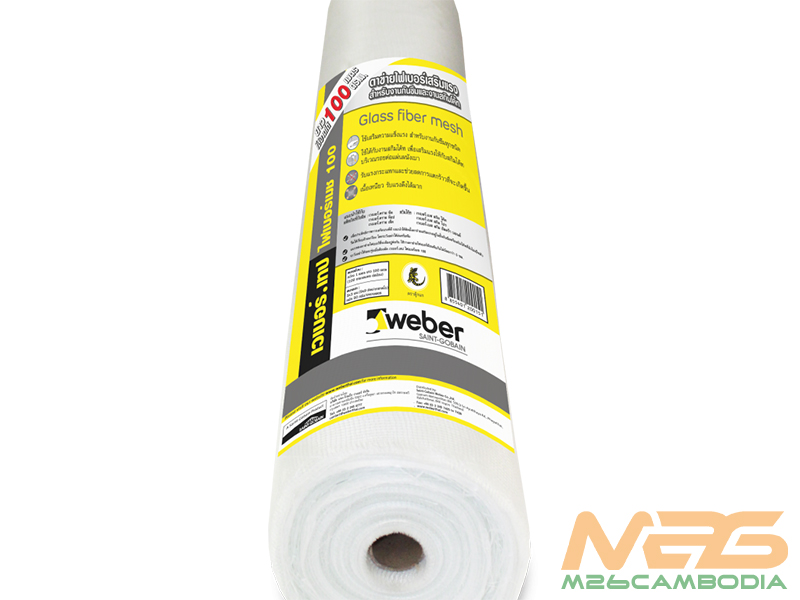
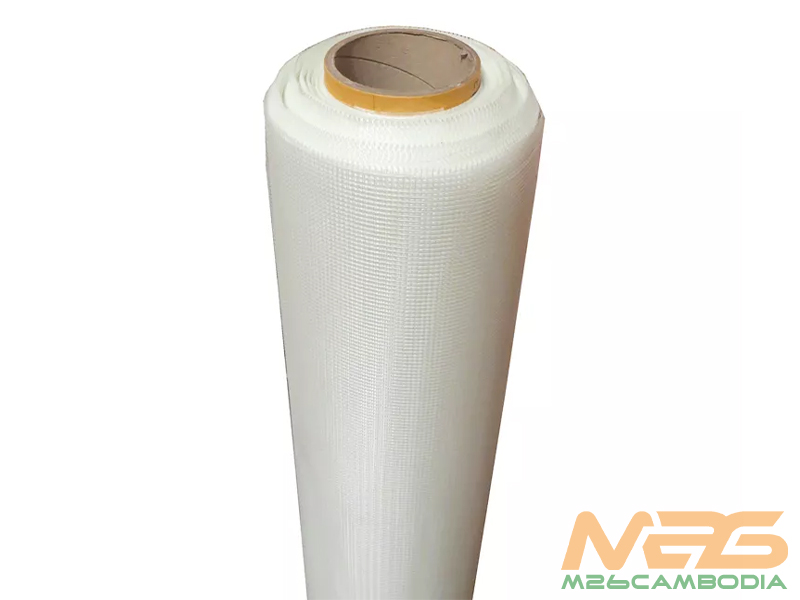
Fibermesh 100
Fibermesh 100: Boost construction strength with premium fiberglass mesh for waterproofing and drywall reinforcement. Durable & versatile.
| BRAND | |
|---|---|
| PACKAGING | Roll 1mx100m |
FIBERMESH 100 – REINFORCED FIBERGLASS MESH
DESCRIPTION
Fibermesh 100 is a versatile construction material that plays a pivotal role in strengthening building structures. It can be precisely cut to size, making it the ideal choice for reinforcing the joints between two drywall panels, whether for interior or exterior projects. The remarkable features of fibermesh 100 include:
- Size: 1 m wide x 100 m long (equivalent to 100 m² per roll).
- Mesh Size: 3 x 3 mm (providing 9 x 9 meshes per m²).
- Weight: 50 g/m², with each roll containing 5 kg.
- Color: White

APPLICATION
Fibermesh 100 is a key player in various construction scenarios, and its use is not confined to one specific area. Here are the primary applications where this fiberglass mesh shines:
- Reinforcing Waterproofing Products: This mesh is an essential companion for enhancing the performance of waterproofing products, such as weber.dry seal, weber.dry top, and weber.dry tex.
- Integration with Skim Coats: fibermesh 100 plays a pivotal role in reinforcing the connection between two pieces of drywall. It prevents cracks resulting from movements, thermal fluctuations, or moisture expansion.
ADVANTAGES
The utilization of fibermesh 100 offers a multitude of advantages that make it an indispensable asset in construction projects:
- Reinforces Waterproof Layers: By embedding this mesh in waterproofing products, you bolster their resilience, helping to create a robust barrier against moisture intrusion.
- Enhances Bonding to Substrates: The fiberglass mesh substantially improves the bond between the waterproofing products and the underlying substrates, ensuring a long-lasting and watertight seal.
- Use with Skim Coat: For projects involving drywalls, this mesh strengthens the connection between panels, reducing the risk of unsightly cracks or separations.
- Durable and High Strength: The fibermesh 100 is designed to withstand the rigors of construction, providing excellent strength and longevity.
TECHNICAL SPECIFICATIONS
Here are the technical specifications of fibermesh 100:
| Property | Specification |
|---|---|
| Material | Woven Fiberglass |
| Roll Dimensions | 1 m x 100 m |
| Mesh Size | 3 x 3 mm (9 x 9 meshes per m²) |
| Weight | 50 g/m² (5 kg per roll) |
| Color | White |
Remark: Please note that these specifications are derived from laboratory testing and may vary slightly in real-world applications due to differing conditions.

CONSTRUCTION INSTRUCTIONS
Prepare the Substrate:
- Thoroughly clean the substrate, ensuring it’s free from any substances that might hinder adhesion. This step is crucial for a strong bond.
- Remove any foreign objects or laitance present on the substrates to guarantee a smooth surface.
- Follow specific product instructions for substrate preparation. If you’re working with cementitious waterproofing products like weber.dry tex and weber.dry top:
- Dampen the substrate until it reaches its saturated point. It shouldn’t be overly wet.
- Prime the substrate with an appropriate primer before applying acrylic waterproofing products like weber.dry seal. Mix weber.dry seal with water in a 1:4 ratio to create the primer for cementitious substrates.
Apply the Waterproof Product:
- Start by applying the first layer of the chosen waterproof product. Ensure even coverage.
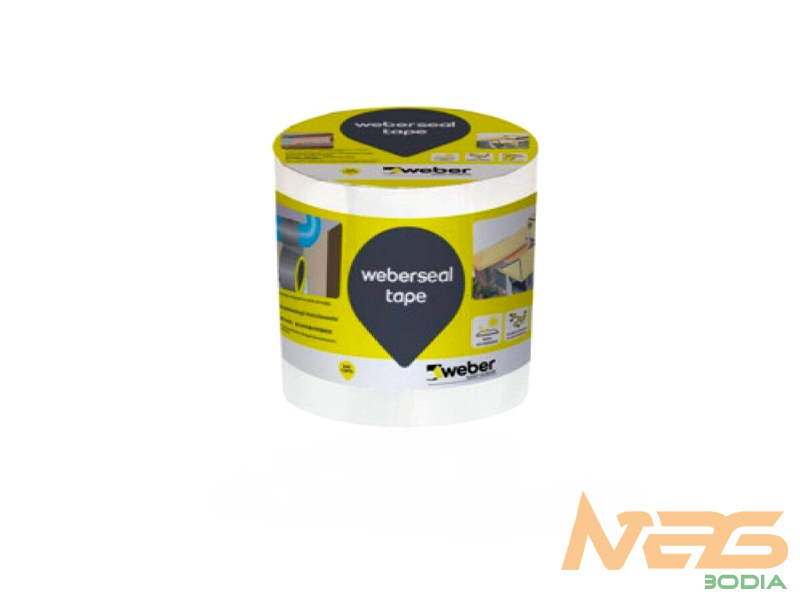
- Embed weber.tape fibermesh 100 into the wet waterproof layer. Press it firmly by hand or roller to ensure that no bubbles or wrinkles are present underneath.
- Allow the first layer to dry. The drying time may vary depending on the product, so consult the specific product instructions.
- Once the first layer is dry, apply subsequent layers to achieve the recommended thickness. This additional thickness is crucial for the product’s effectiveness.
Final Touches:
- Follow the drying times and curing recommendations provided for the specific waterproofing product you’re using.
- After the final layer has dried and cured, you’ll have a robust and reliable waterproofing barrier that’s reinforced by weber.tape fibermesh 100.
Integration with Skim Coats for Drywall Application
Substrate Preparation:
- Ensure that the substrate between the two drywall pieces is clean and free from substances that could hinder adhesion.
- Leave a minimum gap of 5 mm between the two drywall pieces. This gap allows for slight movement without causing cracks.
- Seal the gap with a flexible-grade sealant, such as polyurethane (PU) or acrylic. Follow the sealant manufacturer’s instructions, and allow it to dry properly.
Cut and Prepare the Mesh:
- Cut weber.tape fibermesh 100 into strips that are at least 5 cm wide. These strips will be used to reinforce the joint between the drywall pieces.
Apply Skim Coat:
- Apply a layer of weber.base skim coat or weber.base skim ultra bond to the joint. Make sure it’s wider than the width of the cut mesh.
Embed the Mesh:
- Place the cut mesh in the middle of the joint within the layer of skim coat. Press it firmly with a trowel to ensure that there are no wrinkles or bubbles underneath.
Layer and Dry:
- Allow the first layer of skim coat to dry completely. The drying time may vary depending on the specific skim coat product you’re using.
- Once the first layer is dry, apply additional layers of skim coat until the mesh is no longer visible.
Finish and Sand:
- After the final layer of skim coat has dried completely, sand the surface to achieve a smooth and uniform finish. This step is crucial for achieving an aesthetically pleasing result.
By following these detailed construction instructions, you can effectively utilize weber.tape fibermesh 100 in both waterproofing and drywall applications, ensuring the longevity, strength, and integrity of your construction projects.
Reviews
There are no reviews yet.